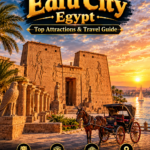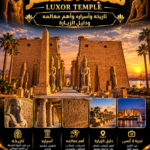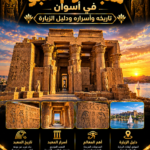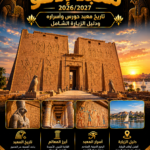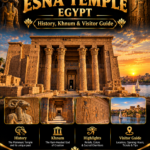


Edfu City in Egypt History, Local Culture, Top Attractions & Travel Guide 2026/2027
Located on the west bank of the Nile in Upper Egypt, Edfu City is one of the most fascinating historical destinations between Luxor and Aswan.
Best known for the magnificent Temple of Horus, Edfu offers visitors an opportunity to explore ancient Egyptian religion, impressive Ptolemaic architecture, traditional markets, and everyday life along the Nile.
Although many travelers visit Edfu as part of a Nile cruise, the city has a rich cultural identity extending beyond its famous temple.
From ancient religious traditions to modern Egyptian street life, Edfu provides a memorable stop on a journey through southern Egypt.
In this complete travel guide, Trust Way Travel explores the history of Edfu, its most important attractions, local culture, transportation options, and practical travel tips for 2026/2027.
Table of Contents
- Where Is Edfu Located in Egypt?
- The History of Edfu City
- Temple of Horus – Edfu's Most Famous Attraction
- The Ancient Settlement of Edfu
- Traditional Markets in Edfu
- The Nile River in Edfu
- Local Culture and Daily Life in Edfu
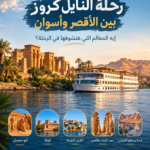
- Edfu and Nile Cruise Tourism
- What Is the Difference Between Edfu and Kom Ombo?
- Best Time to Visit Edfu
- How to Get to Edfu
- How Much Time Do You Need in Edfu?
- Travel Tips for Visiting Edfu
- Is Edfu Worth Visiting?
- Frequently Asked Questions About Edfu City
Where Is Edfu Located in Egypt?
Edfu is located in Aswan Governorate, Upper Egypt, on the western bank of the Nile River.
The city lies approximately 110 kilometers south of Luxor and around 100 kilometers north of Aswan, making it an important stop on the route between these two major tourist destinations.
Its location along the Nile contributed to its historical importance as a settlement, religious center, and agricultural community.
Today, Edfu is accessible by road and rail, while many visitors arrive aboard Nile cruise ships traveling between Luxor and Aswan.
The History of Edfu City
Edfu has a history stretching back thousands of years.
In ancient Egypt, the settlement was known as Behdet and became closely associated with the falcon-headed god Horus.
The city served as an important religious center in Upper Egypt and played a role in regional administration and agricultural activity.
During the Ptolemaic period, Edfu became the site of one of Egypt's most impressive surviving temples.
Construction of the present Temple of Horus began in 237 BCE during the reign of Ptolemy III Euergetes. The temple complex was completed in 57 BCE.
Its extensive inscriptions provide valuable information about ancient Egyptian religious ceremonies, mythology, and temple construction.
Edfu continued to develop through later historical periods, eventually becoming the modern Egyptian city visitors see today.
1. Temple of Horus – Edfu's Most Famous Attraction
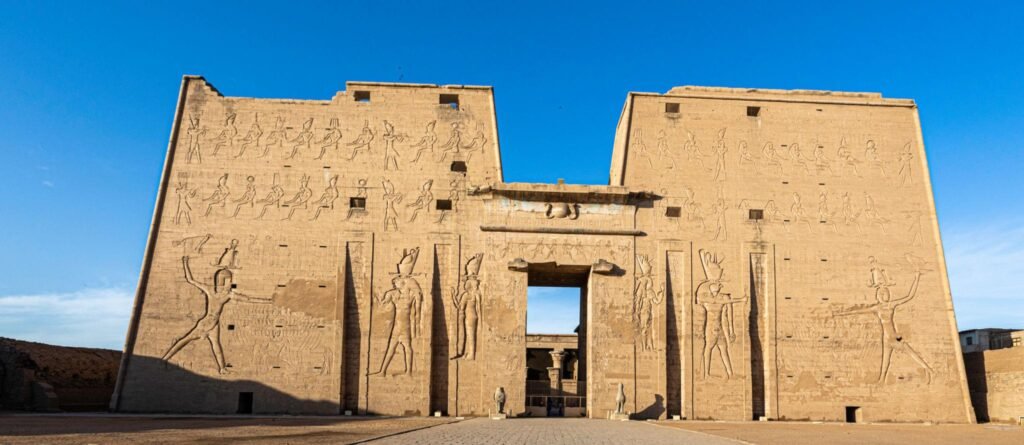
The Temple of Horus at Edfu is the city's principal tourist attraction and one of the best-preserved ancient temples in Egypt.
Dedicated to Horus, the falcon-headed god associated with kingship and protection, the temple is celebrated for its monumental architecture and detailed inscriptions.
What Makes Edfu Temple Special?
The temple features:
- A monumental entrance pylon.
- A spacious open courtyard.
- Impressive columns with decorated capitals.
- Hypostyle halls.
- Religious chambers and sanctuaries.
- Hieroglyphic inscriptions.
- Reliefs depicting mythological scenes.
- A sacred barque shrine.
One of the temple's most recognizable features is the large statue of Horus in falcon form near the entrance.
The Mythology of Horus and Seth
The temple's religious decoration includes scenes connected with the mythological struggle between Horus and Seth.
In ancient Egyptian belief, Horus was closely associated with the restoration of rightful kingship and the triumph of order.
These stories played an important role in Egyptian religious traditions and royal ideology.
Why Visit Edfu Temple?
Edfu Temple offers an exceptional opportunity to understand ancient Egyptian temple design and religious symbolism.
Its well-preserved architecture makes it particularly rewarding for visitors interested in archaeology, history, and photography.
2. The Ancient Settlement of Edfu
Beyond the famous temple, Edfu has archaeological remains associated with its ancient settlement.
Excavations in the area have contributed to our understanding of urban life, administration, and economic activity in ancient Upper Egypt.
The archaeological history of Edfu demonstrates that the city was more than a ceremonial center.
It was also a living community connected to agriculture, trade, and regional government.
Not all archaeological areas are open to tourists, so visitors should follow official access regulations.
3. Traditional Markets in Edfu
Edfu's local markets offer a different experience from its ancient monuments.
Visitors may encounter shops selling everyday goods, clothing, agricultural products, spices, and other locally traded items.
Exploring market streets can provide insight into contemporary life in Upper Egypt.
What Can You Experience?
- Traditional Egyptian shopping streets.
- Local food stalls.
- Small neighborhood shops.
- Regional agricultural products.
- Everyday social and commercial activities.
Unlike purpose-built tourist markets, many shopping areas primarily serve local residents.
Travelers should respect local customs and ask permission before photographing individuals.
4. The Nile River in Edfu
The Nile has shaped Edfu's geography, agriculture, and economy for thousands of years.
The river continues to connect the city with the wider Nile Valley.
For travelers, the surrounding river landscape offers a contrast between green agricultural land and the desert environment beyond the cultivated valley.
Nile cruise passengers may enjoy views of villages, palm trees, fields, and river traffic while traveling through the region.
The scenery is one of the reasons a Nile cruise remains a popular way to experience Upper Egypt.
5. Local Culture and Daily Life in Edfu
Edfu is a working Egyptian city with a strong connection to the agricultural traditions of Upper Egypt.
Local life revolves around neighborhoods, schools, markets, religious institutions, and family businesses.
Visitors may notice traditional street scenes alongside modern shops and transportation.
Experiencing Edfu beyond the temple can offer a broader understanding of the communities that live along the Nile today.
For cultural travelers, the city's atmosphere adds depth to a journey focused on ancient monuments.
6. Edfu and Nile Cruise Tourism
Edfu is one of the most common sightseeing stops on Nile cruises between Luxor and Aswan.
Many itineraries include a guided visit to the Temple of Horus.
Depending on the cruise schedule, travelers may visit Edfu before continuing toward Kom Ombo or Luxor.
Typical Nile Cruise Attractions
A Nile cruise itinerary may include:
- Karnak Temple.
- Luxor Temple.
- Valley of the Kings.
- Temple of Hatshepsut.
- Edfu Temple.
- Kom Ombo Temple.
- Philae Temple.
- Aswan's major attractions.
The exact sightseeing program depends on the cruise operator, departure point, and trip duration.
How Do Cruise Passengers Reach Edfu Temple?
Cruise operators arrange local transfers between the docking area and the temple.
The type of transportation varies by itinerary and operator.
Travelers should confirm the arrangements included in their package before departure.
7. What Is the Difference Between Edfu and Kom Ombo?
Edfu and Kom Ombo are two important temple destinations frequently visited during Nile cruises.
Edfu Temple is primarily dedicated to Horus and is known for its exceptionally well-preserved monumental structure.
Kom Ombo Temple has a distinctive double-temple arrangement associated with Sobek and Haroeris, a form of Horus.
Both sites offer different perspectives on ancient Egyptian religion and architecture.
Visiting them on the same journey allows travelers to appreciate the diversity of temple traditions in Upper Egypt.
8. Best Time to Visit Edfu
The most comfortable period for sightseeing in Edfu is generally from October to April.
During these months, temperatures are usually more suitable for exploring archaeological sites and walking outdoors.
Summer temperatures in Upper Egypt can be extremely high, particularly during the middle of the day.
Travel Tips by Season
Winter: Comfortable conditions for most outdoor sightseeing.
Spring: Pleasant for many visitors, although occasional hot winds and dust may occur.
Summer: Very hot conditions; early visits and adequate hydration are important.
Autumn: Increasingly comfortable weather as temperatures begin to decrease.
Always check current weather conditions before traveling.
9. How to Get to Edfu
Edfu can be reached using several transportation options.
From Luxor
Travelers can reach Edfu by road or rail from Luxor.
Travel time varies according to the selected service, route, and local conditions.
From Aswan
Edfu is accessible from Aswan by road or train.
It can also be included in a broader sightseeing itinerary between Aswan and Luxor.
By Nile Cruise
Many Nile cruise itineraries include Edfu as a scheduled sightseeing destination.
This is a convenient option for travelers who want to combine several temples within one organized journey.
10. How Much Time Do You Need in Edfu?
A typical visit focused on the Temple of Horus may take approximately one to two hours, depending on the tour format and visitor interests.
Travelers who wish to explore the surrounding town should allow additional time.
A longer visit may include local markets, cultural observations, and opportunities to experience the atmosphere of the Nile Valley.
Cruise passengers should follow their ship's departure schedule and avoid arranging independent excursions without confirming sufficient time.
11. Travel Tips for Visiting Edfu
To enjoy your visit, consider the following recommendations:
- Wear comfortable walking shoes.
- Carry drinking water.
- Use sun protection.
- Visit early when possible during hot weather.
- Follow official temple regulations.
- Respect local customs.
- Ask permission before photographing people.
- Consider visiting with a qualified guide.
- Confirm opening hours before traveling.
- Keep your cruise or transportation schedule in mind.
A knowledgeable guide can help explain the mythology and historical significance of the temple's inscriptions.
12. Is Edfu Worth Visiting?
Edfu is particularly rewarding for travelers interested in ancient Egyptian history.
The Temple of Horus is one of the strongest reasons to include the city in a Luxor-to-Aswan itinerary.
However, Edfu also offers an opportunity to experience a modern Upper Egyptian community beyond the major tourist centers.
Its combination of ancient architecture, local markets, and Nile scenery makes it an interesting destination for cultural travelers.
Frequently Asked Questions About Edfu City
Where is Edfu located?
Edfu is located in Aswan Governorate, Upper Egypt, between Luxor and Aswan.
What is Edfu famous for?
Edfu is best known for the Temple of Horus, one of Egypt's best-preserved ancient temples.
How old is Edfu Temple?
Construction of the present temple began in 237 BCE and was completed in 57 BCE during the Ptolemaic period.
Which god was worshipped at Edfu?
The principal deity associated with Edfu Temple was Horus, the falcon-headed god.
Is Edfu included in Nile cruises?
Many Nile cruises between Luxor and Aswan include a visit to Edfu Temple.
How far is Edfu from Luxor?
Edfu is approximately 110 kilometers south of Luxor, although the actual travel distance depends on the route.
Can you visit Edfu without a Nile cruise?
Yes. Edfu can be reached by road or rail, and independent visits can be arranged.
What is the best time to visit Edfu?
October to April is generally the most comfortable period for sightseeing.
What should I wear when visiting Edfu Temple?
Light, comfortable clothing, suitable walking shoes, and sun protection are recommended.
Is Edfu suitable for families?
Yes. Edfu Temple can be an educational experience for families interested in ancient Egyptian history.
Explore Edfu with Trust Way Travel
Edfu is an essential destination for anyone interested in the history and culture of Upper Egypt.
From the monumental Temple of Horus to the Nile landscapes and traditional markets, the city reveals different aspects of Egyptian heritage.
With Trust Way Travel, discover Nile cruise programs and Luxor-to-Aswan itineraries that may include Edfu alongside other famous archaeological sites.
Explore the beauty of Upper Egypt and create memorable travel experiences along the Nile.
Official website: traveltrustway.com
Trust Way Travel – Your Way To Luxury