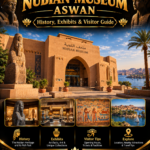


Nubian Museum in Aswan History, Exhibits & Complete Visitor Guide 2026/2027
When travelers think of Aswan, they often imagine the beautiful Nile River, colorful Nubian villages, ancient Egyptian temples, and breathtaking desert landscapes.
However, one of the city's most fascinating cultural attractions is the Nubian Museum in Aswan, a remarkable destination that tells the story of Nubia's ancient civilizations, traditions, and cultural heritage.
The museum offers visitors an opportunity to explore thousands of years of history, from prehistoric communities and ancient kingdoms to the modern Nubian culture that continues to shape southern Egypt today.
Whether you're planning your first trip to Aswan or looking for meaningful cultural experiences beyond the city's famous temples, the Nubian Museum deserves a place on your itinerary.
In this complete travel guide, Trust Way Travel explores the museum's history, most important exhibits, architecture, cultural significance, and practical tips for planning your visit.
Table of Contents
- Where Is the Nubian Museum Located?
- When Was the Nubian Museum Opened?
- What Is Nubia?
- What Can You See Inside the Nubian Museum?
- Ancient Nubian Civilizations
- The Kingdom of Kush
- Nubian Culture and Traditional Life
- The Nubian Museum and the Aswan High Dam
- Architecture of the Nubian Museum
- The Museum's Outdoor Archaeological Displays
- Why Is the Nubian Museum Important?
- Nubian Museum vs. Visiting a Nubian Village
- Best Time to Visit the Nubian Museum
- How Much Time Do You Need at the Nubian Museum?
- Essential Tips for Visiting the Nubian Museum
- Other Attractions Near the Nubian Museum
- Explore Aswan and Nubia with Trust Way Travel
- Frequently Asked Questions About the Nubian Museum
1. Where Is the Nubian Museum Located?
The Nubian Museum is located in Aswan, southern Egypt, within the city's urban area.
Its location makes it relatively convenient to include in a sightseeing itinerary alongside other attractions such as the Unfinished Obelisk, Philae Temple, and Aswan's Nile waterfront.
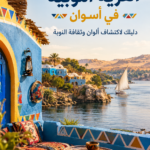
The museum is surrounded by landscaped grounds and features architecture inspired by Nubian building traditions.
Visitors can reach the museum using local transportation or through an organized Aswan sightseeing tour.
2. When Was the Nubian Museum Opened?
The Nubian Museum officially opened in 1997.
It was established to preserve and present the history and cultural heritage of Nubia, particularly following the major changes caused by the construction of the Aswan High Dam.
The creation of Lake Nasser resulted in the flooding of large areas of historic Nubia and the relocation of many Nubian communities.
The museum plays an important role in documenting this history while celebrating the region's continuing cultural identity.
It also reflects the broader international efforts associated with safeguarding Nubian heritage.
3. What Is Nubia?
Nubia is a historic region extending along the Nile Valley through southern Egypt and northern Sudan.
For thousands of years, it was home to important communities, trade networks, and powerful kingdoms.
Nubia maintained close relationships with ancient Egypt through commerce, diplomacy, cultural exchange, and, at different times, political conflict.
Among its most famous historical civilizations was the Kingdom of Kush, which played a major role in the history of the Nile Valley.
Today, Nubian culture remains an important part of the heritage of southern Egypt and Sudan.
4. What Can You See Inside the Nubian Museum?
The Nubian Museum contains archaeological objects, historical displays, and cultural exhibits representing different periods of Nubian history.
Visitors can discover collections featuring:
- Ancient pottery and household objects.
- Stone sculptures and statues.
- Jewelry and decorative items.
- Religious artifacts.
- Historical inscriptions.
- Traditional Nubian clothing.
- Models illustrating Nubian architecture.
- Exhibits about daily life and cultural traditions.
The museum presents Nubian history through a combination of original artifacts, models, photographs, and interpretive displays.
5. Ancient Nubian Civilizations
One of the museum's most interesting themes is the development of ancient Nubian societies.
Nubia was never simply an extension of ancient Egypt; it developed distinctive cultures, political traditions, and artistic styles.
Its historical significance includes important civilizations and kingdoms such as Kerma and Kush.
The museum helps visitors understand the long history of interaction between Nubia and Egypt, including trade, religious influence, and cultural exchange.
6. The Kingdom of Kush
The Kingdom of Kush was one of the most influential ancient civilizations in the Nile Valley.
Its political centers included Napata and, later, Meroë, in present-day Sudan.
During the eighth and seventh centuries BCE, Kushite rulers governed Egypt as the 25th Dynasty.
This period demonstrates the political and cultural importance of Nubia in the wider history of northeastern Africa.
Museum displays provide historical context for understanding these connections.
7. Nubian Culture and Traditional Life
The Nubian Museum is not only about ancient history.
It also introduces visitors to the cultural traditions of Nubian communities.
These include aspects of:
- Traditional architecture.
- Music and celebrations.
- Clothing and jewelry.
- Family and community life.
- Handicrafts.
- Local customs.
- Nubian languages and cultural identity.
These exhibits offer valuable background for travelers who also plan to visit a Nubian village during their stay in Aswan.
8. The Nubian Museum and the Aswan High Dam
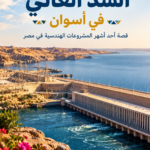
The construction of the Aswan High Dam transformed the geography and lives of many communities in the region.
As Lake Nasser formed, numerous Nubian settlements were affected by rising water levels.
Many families were relocated, while important archaeological sites faced the risk of flooding.
The museum documents aspects of this transformation and helps visitors understand the relationship between modern development, displacement, and cultural preservation.
This makes the museum an important destination for understanding both ancient and modern Nubian history.
9. Architecture of the Nubian Museum
The museum building is an attraction in its own right.
Its design draws inspiration from traditional Nubian architecture while incorporating modern museum facilities.
The use of natural materials, carefully designed spaces, and landscaped surroundings helps create an environment that reflects the character of the region.
Visitors can appreciate both the exhibitions and the architectural setting.
10. The Museum's Outdoor Archaeological Displays
In addition to its indoor galleries, the Nubian Museum features outdoor spaces containing archaeological and architectural elements.
These areas complement the main exhibitions and provide another opportunity to explore the region's heritage.
The landscaped grounds also make the museum a pleasant place for visitors interested in photography and architecture.
Access to individual outdoor areas may vary according to museum regulations.
11. Why Is the Nubian Museum Important?
The museum serves several important purposes.
Preserving history: It safeguards archaeological objects and presents the history of Nubia across thousands of years.
Celebrating cultural identity: It highlights Nubian traditions, communities, and cultural achievements.
Supporting education: It helps visitors understand the historical relationship between Egypt and Nubia.
Documenting change: It provides context for the impact of the Aswan High Dam and the relocation of Nubian communities.
Encouraging cultural tourism: It introduces travelers to a side of Aswan that goes beyond its famous monuments.
12. Nubian Museum vs. Visiting a Nubian Village
Both experiences offer valuable insights, but they are different.
Nubian Museum
The museum focuses on history, archaeology, cultural objects, and the long development of Nubian civilizations.
Nubian Village
A visit to a Nubian village offers an opportunity to experience aspects of contemporary Nubian life, architecture, hospitality, and local traditions.
For travelers interested in understanding Nubia more deeply, combining both experiences can be especially rewarding.
Visitors should remember that Nubian villages are living communities, not simply tourist attractions, and should respect residents' privacy and customs.
13. Best Time to Visit the Nubian Museum
Aswan is generally most comfortable for sightseeing between October and March, when temperatures are milder than during the summer.
Because much of the museum experience takes place indoors, it can also be a useful cultural activity during warmer periods.
Visitors should check the museum's current opening hours before traveling.
14. How Much Time Do You Need at the Nubian Museum?
Many visitors may wish to allow approximately one and a half to two hours to explore the museum at a comfortable pace.
Travelers with a strong interest in archaeology and history may prefer additional time.
The ideal visit duration depends on your interests, the exhibitions available, and whether you explore the outdoor grounds.
15. Essential Tips for Visiting the Nubian Museum
Before visiting:
- Check the latest opening hours.
- Confirm admission and photography regulations.
- Wear comfortable walking shoes.
- Allow enough time to explore the galleries.
- Read the historical descriptions carefully.
- Consider visiting with a knowledgeable guide.
- Respect museum rules and protected artifacts.
- Avoid touching exhibits unless specifically permitted.
- Combine the visit with nearby attractions when practical.
- Take time to learn about Nubian history beyond the most famous monuments.
16. Other Attractions Near the Nubian Museum
A visit to the Nubian Museum can be combined with other important attractions in Aswan.
Unfinished Obelisk
One of Egypt's most fascinating archaeological sites, offering insight into ancient granite quarrying techniques.
Philae Temple
A spectacular ancient temple complex dedicated primarily to Isis, now located on Agilkia Island.
Aswan High Dam
An important modern engineering landmark that transformed the Nile Valley.
Elephantine Island
A historic Nile island featuring archaeological remains and a long history of settlement.
Nubian Villages
A chance to experience aspects of Nubian culture and enjoy the distinctive atmosphere of the Nile.
The best combination depends on available time and transportation arrangements.
17. Explore Aswan and Nubia with Trust Way Travel
At Trust Way Travel, we help travelers discover the history, culture, and natural beauty of southern Egypt.
Our Aswan and Nubia travel experiences may include:
- Nile sightseeing experiences.
- Nubian cultural visits.
- Ancient Egyptian temples.
- Historic attractions in Aswan.
- Cultural excursions.
- Multi-day Aswan and Nubia itineraries.
- Combined Luxor and Aswan holidays.
Visitors can inquire about including the Nubian Museum in their selected itinerary, subject to scheduling and arrangements.
Frequently Asked Questions About the Nubian Museum
Where is the Nubian Museum located?
The Nubian Museum is located in Aswan, southern Egypt.
When did the Nubian Museum open?
The museum officially opened in 1997.
What is the Nubian Museum famous for?
It is famous for its archaeological collections, historical displays, and exhibits documenting Nubian civilization and culture.
Is the Nubian Museum worth visiting?
Yes, especially for travelers interested in archaeology, African history, and Nubian cultural heritage.
How long does a visit take?
Many visitors spend approximately one and a half to two hours exploring the museum.
Is the Nubian Museum suitable for families?
Yes. It can be an educational experience for families interested in history and culture.
Can you visit the Nubian Museum and Philae Temple on the same day?
Yes, with suitable transportation and enough time, both attractions can be included in one sightseeing day.
Can Trust Way Travel include the Nubian Museum in an Aswan itinerary?
Travelers can inquire about adding the museum to a suitable Aswan and Nubia tour.
Discover Nubian Heritage with Trust Way Travel
The Nubian Museum is much more than a collection of historical objects. It is a gateway to understanding the civilizations, traditions, and communities that have shaped the Nile Valley for thousands of years.
From ancient archaeological treasures to the story of modern Nubian identity, the museum offers an enriching experience for anyone exploring southern Egypt.
Discover the history and beauty of Nubia with Trust Way Travel.
Official website: traveltrustway.com
Trust Way Travel – Your Way To Luxury